our blog

Fluorescent Neon Carpet: Transform Your Space with Vibrant Colors

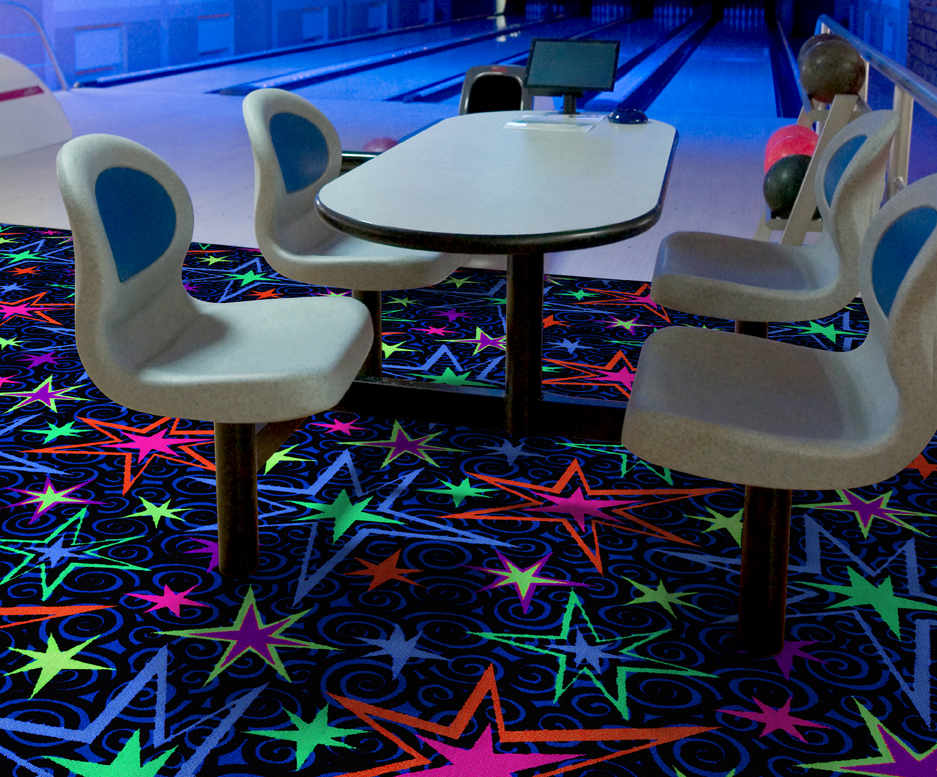
Fluorescent neon carpets can transform any space. Their bright colors and unique glow add a special touch.

These carpets are not just about aesthetics; they offer a fun and exciting way to enhance interior design. Imagine walking into a room where the floor lights up with vibrant hues. The visual appeal of fluorescent neon carpets can instantly make any space feel more lively and dynamic.

Whether for a child’s room, a creative workspace, or a trendy boutique, these carpets bring a burst of energy. Let’s explore what makes fluorescent neon carpets a popular choice and how they can elevate the ambiance of various environments.

Introduction To Fluorescent Neon Carpets

Introduction to Fluorescent Neon Carpets

Fluorescent neon carpets are a bold statement in interior design. These carpets add a vibrant touch to any space. Their bright colors and unique patterns capture attention. They create an exciting visual experience.

History And Evolution

The history of fluorescent neon carpets is fascinating. They first appeared in the 1960s. During this time, psychedelic art and culture were popular. Artists and designers experimented with new styles and materials.

Fluorescent neon carpets became a hit in nightclubs and music venues. Their glowing colors enhanced the atmosphere. Over the years, these carpets evolved. New manufacturing techniques improved their quality and durability.

Today, fluorescent neon carpets are made from advanced materials. They are more vibrant and long-lasting than ever before. This evolution makes them a favorite choice for modern decor.

Popularity In Modern Decor

Fluorescent neon carpets are popular in modern decor. They are used in homes, offices, and public spaces. Their bright colors and patterns make rooms feel lively and energetic.

Here are some reasons for their popularity:

  • Unique Style: They offer a unique and bold look.
  • Versatility: They fit well in various settings.
  • Durability: They are made from strong, long-lasting materials.

Many people use these carpets to make a statement. They are perfect for creating a focal point in a room. They also work well in themed spaces, like game rooms or creative offices.

In summary, fluorescent neon carpets bring color and excitement to any space. Their history, evolution, and popularity make them a top choice in modern decor.

Fluorescent Neon Carpet: Transform Your Space with Vibrant Colors

Credit: www.joycarpets.com

Benefits Of Neon Carpets

Fluorescent neon carpets are making a big impact in home decor. Their bright colors and unique features offer many advantages. Here are some key benefits of using neon carpets in your space.

Vibrant Aesthetic Appeal

Neon carpets create a bold and lively atmosphere. They stand out in any room. These carpets come in various bright colors, adding a unique touch to your space. You can choose from neon pink, green, blue, and more.

Neon carpets are perfect for children’s rooms, game rooms, and entertainment areas. They can make these spaces look fun and exciting. The vibrant colors can also improve mood and energy. Bright colors are known to enhance creativity and positivity.

Durability And Maintenance

Neon carpets are made from strong materials. They are designed to last long and withstand heavy use. These carpets are ideal for high-traffic areas like hallways and living rooms. They hold up well against wear and tear.

Maintaining neon carpets is easy. Most neon carpets are stain-resistant. You can easily clean them with a vacuum or a damp cloth. Regular maintenance keeps them looking fresh and new for a long time. Easy maintenance is a great benefit for busy households.

Benefits Description
Vibrant Colors Adds energy and excitement to any room.
Durability Strong materials ensure long-lasting use.
Easy Maintenance Simple to clean and maintain.

Choosing The Right Neon Colors

Fluorescent neon carpet can dramatically change the look of a room. Choosing the right neon colors is essential to create the desired effect. The right colors can enhance the ambiance and match your interior design.

Color Psychology

Understanding color psychology helps in selecting the right neon colors. Different colors evoke different emotions and moods. For instance, neon green often symbolizes nature and freshness. It can create a calming atmosphere in a room. On the other hand, neon pink can bring energy and excitement, making it perfect for vibrant spaces.

Consider how you want to feel in the room. Do you want a relaxed environment or a lively one? Choose colors that align with these feelings. Here’s a brief overview of some popular neon colors and their psychological effects:

Color Psychological Effect
Neon Green Calm, Freshness
Neon Pink Excitement, Energy
Neon Blue Trust, Peace
Neon Yellow Happiness, Warmth

Matching With Interior Themes

It’s important to match the neon carpet colors with your interior themes. This ensures a cohesive and harmonious look. If your interior theme is modern, consider neon colors like neon blue or neon white. These colors can add a sleek and contemporary feel.

For a retro theme, neon colors like neon orange or neon yellow can be ideal. They bring a nostalgic vibe that complements retro designs.

Here’s a quick guide on matching neon colors with different interior themes:

  • Modern Theme: Neon Blue, Neon White
  • Retro Theme: Neon Orange, Neon Yellow
  • Nature Theme: Neon Green, Neon Brown
  • Playful Theme: Neon Pink, Neon Purple

By considering color psychology and matching with interior themes, you can choose the perfect neon carpet for your space. The right colors will not only enhance the look but also the feel of the room.

Fluorescent Neon Carpet: Transform Your Space with Vibrant Colors

Credit: www.joycarpets.com

Installation Tips

Installing a fluorescent neon carpet can transform any room. The vibrant colors and glowing effect make spaces look lively. For a smooth installation, follow these tips.

Preparing The Space

Before installing the carpet, ensure the space is ready.

  • Remove any old carpet or flooring.
  • Clean the floor thoroughly to remove dust and debris.
  • Check for any cracks or uneven surfaces and fix them.

Proper preparation ensures the carpet lays flat and looks great.

Professional Vs Diy Installation

Deciding between professional and DIY installation is crucial. Both have pros and cons.

Professional Installation DIY Installation
  • Expert finish and quality.
  • Time-saving.
  • May be costly.
  • Cost-effective.
  • Personal satisfaction.
  • Time-consuming.
  • Risk of mistakes.

Professional installation ensures a smooth finish. DIY can be rewarding but challenging.

Maintenance And Care

Taking care of your fluorescent neon carpet ensures it stays bright and clean. Proper maintenance can extend the life of your carpet. Follow these easy tips to keep your carpet looking new.

Cleaning Techniques

Regular cleaning is crucial for your carpet. Vacuum your fluorescent neon carpet at least once a week. Use a vacuum with a HEPA filter to remove dust and dirt. Ensure the vacuum’s beater bar is set to the correct height to avoid damage.

For a deeper clean, consider steam cleaning every six months. This method removes deep-seated dirt and kills germs. You can rent a steam cleaner or hire a professional service.

Avoid using harsh chemicals on your carpet. Opt for gentle, pH-neutral cleaners. Test the cleaner on a small, hidden area before applying it to the entire carpet.

Stain Removal Tips

Accidents happen, but quick action can prevent stains. Blot spills immediately with a clean, dry cloth. Do not rub, as this can spread the stain.

For common stains like coffee or wine, mix a solution of one part water and one part white vinegar. Apply the solution to the stain and blot with a cloth. Repeat until the stain is gone.

For tougher stains, use a mixture of baking soda and water. Apply the paste to the stain and let it sit for 15 minutes. Blot with a damp cloth and vacuum the residue.

For grease stains, sprinkle cornstarch on the affected area. Let it sit for 10 minutes, then vacuum. If the stain persists, use a mild dish soap solution.

Always follow the manufacturer’s care instructions. Test any cleaning method on a small, hidden area first.

Fluorescent Neon Carpet: Transform Your Space with Vibrant Colors

Credit: www.georgiacarpet.com

Creative Design Ideas

Fluorescent neon carpet can transform any room into a vibrant, energetic space. These carpets bring a splash of color and creativity to your home or office. Below are some exciting design ideas to help you incorporate fluorescent neon carpets into your decor.

Bold Patterns And Textures

Choose bold patterns and textures to make a statement with your fluorescent neon carpet. Geometric shapes, stripes, and abstract designs work well. These patterns draw attention and create visual interest.

  • Geometric shapes: Triangles, squares, and hexagons.
  • Stripes: Horizontal, vertical, or diagonal.
  • Abstract designs: Swirls, splashes, and asymmetrical patterns.

Textures add depth and tactile interest. Consider carpets with raised patterns or mixed materials. These elements enhance the overall aesthetic of your space.

Combining With Other Decor Elements

Fluorescent neon carpets pair well with various decor elements. Balance the boldness of the carpet with neutral furniture and accessories. This approach prevents the room from feeling overwhelming.

Decor Element Tips
Furniture Opt for simple, neutral pieces. White, grey, or black work best.
Wall Art Choose art that complements the carpet colors. Avoid clashing hues.
Lighting Use soft, warm lighting to balance the carpet’s brightness.

Plants and natural elements also blend well with neon carpets. Greenery adds a touch of calm and softens the overall look. Try placing a few potted plants around the room for a refreshing contrast.

Mixing and matching different decor elements creates a harmonious space. Aim for a balance between bold and subtle to achieve the best results.

Cost Considerations

Choosing a fluorescent neon carpet for your space is exciting. But it’s important to consider the costs involved. Understanding the cost considerations can help you make a smart decision.

Budgeting For Neon Carpets

First, set a clear budget. Neon carpets can vary in price. Factors like material, size, and design affect costs. High-quality materials last longer but cost more. Decide your needs and budget accordingly.

Material Price Range (per sq. ft.)
Polyester $2 – $5
Nylon $3 – $8
Wool $5 – $12

Installation costs also vary. Professional installation ensures a perfect fit. But it adds to the overall cost. Consider if you need professional help or can install it yourself. Remember, proper installation extends carpet life.

Long-term Investment Benefits

Neon carpets are a long-term investment. They offer vibrant colors and durability. Quality neon carpets can last many years with proper care. This saves money in the long run.

  • Durability: High-quality carpets resist wear and tear.
  • Low Maintenance: Easy to clean and maintain.
  • Energy Efficient: Bright colors can reduce lighting needs.

Think about the benefits over time. Investing in a quality carpet now can save money later. Less frequent replacements mean lower costs over the years. Plus, a vibrant neon carpet adds style to any room.

Customer Experiences

Fluorescent Neon Carpet is transforming homes and businesses. Customers are loving the vibrant designs and unique appeal. Their experiences speak volumes about the quality and visual impact of these carpets. Let’s dive into some real-life stories and testimonials.

Testimonials

Many customers rave about their new neon carpets. Here are a few:

  • John D.: “My living room now feels like a trendy lounge. Friends always compliment it!”
  • Sarah K.: “The kids love it! Their playroom is brighter and more fun.”
  • Emily R.: “It’s not just a carpet. It’s a statement piece. Very pleased!”

Real-life Transformations

Fluorescent Neon Carpets have brought incredible changes to many spaces. Below are some examples:

Before After
Plain, beige carpet in living room Vibrant neon carpet adding energy and color
Dull, worn-out office carpet Bright neon carpet boosting team spirit
Children’s room with simple blue carpet Neon carpet making the room fun and lively

These transformations are not just about looks. Customers feel a positive change in their environment.

One customer shared:

“Our office feels more dynamic. The neon carpet has changed the vibe entirely.”

Another customer noted:

“Our kids are happier. Their room is now their favorite place.”

Such experiences highlight the impact of Fluorescent Neon Carpets. They are more than just flooring; they are a way to transform spaces.

Frequently Asked Questions

What Is A Fluorescent Neon Carpet?

A fluorescent neon carpet is a vibrant, eye-catching floor covering. It glows under blacklight, making it ideal for parties and events.

How To Clean A Neon Carpet?

To clean a neon carpet, vacuum regularly. For stains, use a mild detergent and gently blot the area.

Are Neon Carpets Durable?

Yes, neon carpets are durable. They are made from high-quality materials designed to withstand heavy foot traffic.

Where To Buy Fluorescent Neon Carpets?

Fluorescent neon carpets can be purchased online or at specialty flooring stores. Look for reputable sellers with good reviews.

Conclusion

Brighten your space with fluorescent neon carpet. It adds a vibrant touch. Perfect for kids’ rooms or creative spaces. Easy to clean and durable. Boosts the ambiance instantly. Explore the variety of colors and patterns available. Enhance your home décor effortlessly.

Create a unique, lively atmosphere. Consider fluorescent neon carpet for a bold statement. Enjoy the blend of style and practicality. Make your space stand out today.

Width: 12′

Width: 12′ : Maximizing Space in Small Rooms

Understanding the importance of dimensions is crucial in various projects. One key measurement often considered is width.

Width: 12′ is a versatile measurement. It applies to many contexts, from room sizes to furniture dimensions. Knowing how to use this width effectively can make a big difference in planning and design. Whether you’re arranging a living space, setting up a garden, or designing a layout, 12 feet offers ample possibilities.

This introduction will explore how a width of 12 feet can influence your projects. Stay tuned to discover practical applications and tips for this specific measurement.

Width: 12′  : Maximizing Space in Small Rooms

Credit: appleinsider.com

Creative Layouts

Creative Layouts for 12′ Width Spaces

Creating an appealing space within a 12-foot width might seem challenging. But with creative layouts, you can make the most of your space. Let’s explore some practical ideas.

Furniture Arrangement

When arranging furniture in a 12-foot wide space, think smart. Use multi-functional pieces. For example, a sofa bed works great in small areas. Place larger pieces against the walls. This leaves more open space in the center.

Consider using a small, round dining table. It allows for easy movement. A coffee table with storage is also a good choice. It provides a place for items without taking up extra space.

Furniture Tips
Sofa Bed Multi-functional, saves space
Round Dining Table Compact, easy to move around
Coffee Table with Storage Extra storage, minimal footprint

Open Floor Plans

Open floor plans are ideal for narrow spaces. This layout creates a sense of openness. Walls can make a room feel cramped. Knocking down walls can make a huge difference.

Keep in mind, the placement of furniture is crucial. Use rugs to define areas. For instance, place a rug under the dining area to separate it from the living space.

Additionally, use vertical storage. Tall bookshelves and wall-mounted shelves save floor space. They also add style to the room.

  • Remove unnecessary walls
  • Use rugs to define areas
  • Opt for vertical storage solutions
Width: 12′  : Maximizing Space in Small Rooms

Credit: www.piday.org

Multi-functional Furniture

Multi-functional furniture is a versatile solution for small spaces. These pieces save space and serve multiple purposes. Investing in them can make a room both stylish and practical. Here, we’ll explore two popular types: sofa beds and expandable tables.

Sofa Beds

Sofa beds are great for small apartments or guest rooms. By day, they are a comfortable spot to sit. At night, they transform into a bed. This dual function maximizes space without sacrificing comfort.

These sofa beds come in various styles. Some have storage compartments for extra bedding. Others feature easy-to-use mechanisms for quick conversion. You can find options in different sizes to fit your needs.

Pros of Sofa Beds:

  • Dual functionality: sofa and bed
  • Space-saving solution
  • Variety of styles and sizes

Expandable Tables

Expandable tables are ideal for dining areas with limited space. They remain compact when not in use. Yet, they can extend to accommodate more guests.

Most expandable tables have hidden leaves. Simply pull out the sides to reveal extra space. Some designs include foldable sections or inserts. These tables offer flexibility for both daily use and special occasions.

Key Benefits of Expandable Tables:

  1. Space-efficient design
  2. Easy to expand and contract
  3. Versatile for different occasions

Incorporating multi-functional furniture like sofa beds and expandable tables can enhance any living space. These pieces offer practical solutions without compromising on style.

Vertical Space Usage

Using vertical space can change how you use a room. Vertical space helps to keep the floor clear and makes a room feel larger. Clever use of vertical space includes adding shelves, loft beds, or even hanging plants. Here are some practical ways to make the most of vertical space.

Wall Shelves

Wall shelves are a great way to use vertical space. They are easy to install and come in many styles. Wall shelves can hold books, decorations, or kitchen items. Choose floating shelves for a modern look. They make the wall look clean and tidy.

Here are some benefits of using wall shelves:

  • Keeps items off the floor
  • Creates more storage space
  • Adds a decorative touch

You can use wall shelves in any room. In the kitchen, store spices and dishes. In the bathroom, hold towels and toiletries. In the living room, display books and photos. Wall shelves are flexible and functional.

Loft Beds

Loft beds are perfect for small spaces. A loft bed raises the bed off the floor, creating space underneath. This space can be used for a desk, sofa, or storage. Loft beds are common in kids’ rooms and studio apartments.

Here are some advantages of loft beds:

  1. Maximizes floor space
  2. Provides extra storage
  3. Creates a cozy nook

Loft beds come in many styles and sizes. Some have built-in desks or shelves. Others have space for a small sofa or play area. Loft beds can be a fun and practical solution for any room.

Lighting Solutions

Finding the right lighting solutions for a space that’s 12 feet wide can be challenging. The key is to balance natural light with artificial lighting. Both can create a well-lit and inviting atmosphere. Here are some effective lighting solutions to consider.

Natural Light

Natural light is an excellent way to brighten up your space. It can make a room feel larger and more welcoming. Here are some ways to maximize natural light:

  • Large windows: Install large windows to let in more light.
  • Skylights: Consider adding skylights to bring in daylight from above.
  • Light colors: Use light colors for walls and furniture to reflect more light.
  • Mirrors: Place mirrors strategically to bounce light around the room.

Compact Fixtures

Compact light fixtures are perfect for a 12-foot wide space. They provide ample lighting without taking up too much room. Here are some options:

Fixture Type Benefits
Recessed Lights Save space and provide even lighting.
Pendant Lights Add style and direct light where needed.
Track Lighting Flexible and can be adjusted to highlight specific areas.
Wall Sconces Free up floor space and add ambient lighting.

Choosing the right lighting can transform a space. Use these tips to create a well-lit, comfortable environment in your 12-foot wide room.

Color And Decor

Choosing the right color and decor can transform a room’s appearance. For a space with a width of 12′, the right design choices can make it feel open and inviting. This section will focus on light colors and minimalist design to enhance your room’s aesthetics.

Light Colors

Light colors can make a room appear larger and more open. They reflect natural light, creating a bright and airy feel. Consider using shades of white, beige, or pastel colors. These colors can make the space look clean and fresh.

Here is a list of light colors that work well in a 12′ wide room:

  • White
  • Beige
  • Light Grey
  • Pale Blue
  • Soft Pink
Color Effect
White Makes the room look bigger and brighter
Beige Adds warmth without being too dark
Light Grey Provides a modern and sleek look
Pale Blue Creates a calm and serene atmosphere
Soft Pink Adds a touch of softness and elegance

Minimalist Design

A minimalist design can help maximize the space in a 12′ wide room. This style focuses on simplicity and functionality. It involves using fewer pieces of furniture and decor, creating a clean and uncluttered look.

Here are some tips for achieving a minimalist design:

  1. Use multi-functional furniture to save space.
  2. Opt for sleek and simple furniture designs.
  3. Keep decorative items to a minimum.
  4. Choose neutral colors for a cohesive look.
  5. Incorporate plenty of natural light.

Minimalist design not only makes a room feel larger but also promotes a sense of calm and order. By focusing on essential items, you can create a more organized and visually appealing space.

Storage Hacks

Maximizing storage in a Width: 12′ space can be challenging. But with some clever storage hacks, you can make the most of every inch. Read on to discover how to utilize under-bed storage and built-in cabinets effectively.

Under-bed Storage

Under-bed storage is a great way to use space wisely. You can store many items under the bed, keeping your room clutter-free.

  • Use rolling storage bins for easy access.
  • Opt for vacuum storage bags to save space.
  • Label the bins for quick identification.

Consider using a bed with built-in drawers. It makes accessing items easier and keeps everything organized.

Built-in Cabinets

Built-in cabinets provide ample storage without taking up extra floor space. They can be customized to fit your needs and blend seamlessly with your room decor.

  • Install cabinets above the bed for extra storage.
  • Use tall cabinets to maximize vertical space.
  • Opt for cabinets with adjustable shelves.

Built-in cabinets can also include hidden compartments. These are perfect for storing valuables or less frequently used items.

Type Advantages
Wall-Mounted Frees up floor space
Freestanding Easy to move and rearrange

Whether you choose under-bed storage or built-in cabinets, using these storage hacks can help you keep your Width: 12′ space neat and organized.

Mirrors And Reflections

Mirrors and Reflections

Mirrors add depth and light to any space. They create illusions and reflections. In a room with a width of 12′, mirrors play a vital role. They can make the room look larger and brighter. Let’s explore some options.

Large Mirrors

Large mirrors are perfect for a 12′ wide room. They reflect more light. This makes the room feel spacious. Place a large mirror on one wall. It will double the visual space.

Here are some benefits of large mirrors:

  • Enhance natural light
  • Create an illusion of space
  • Add a decorative touch

Reflective Surfaces

Reflective surfaces include more than just mirrors. Glass tables, shiny tiles, and metal objects also reflect light. These surfaces can brighten up a room. They make it look more open and inviting.

Consider these reflective surfaces for your room:

Surface Benefit
Glass Tables Reflect light and create an airy feel
Shiny Tiles Add brightness and elegance
Metal Objects Reflect light and add a modern touch

Use mirrors and reflective surfaces wisely. They will transform your 12′ wide room into a bright, spacious area.

Smart Technology

In the age of smart technology, maximizing space efficiency is crucial. Whether you’re living in a small apartment or a tiny house, the right tech can make your 12-foot wide space feel much larger. Let’s explore some smart solutions.

Automated Systems

Automated systems can transform your small living area into a highly functional space. With voice-activated controls, you can manage lighting, heating, and even security systems effortlessly. Here are some examples:

  • Smart thermostats to control room temperature.
  • Automated lighting systems for optimal brightness.
  • Security cameras with remote access.

By integrating these systems, you enhance both comfort and efficiency.

Compact Appliances

Compact appliances are essential in small spaces. They offer the same functionality as regular-sized counterparts but take up less room. Consider the following:

Appliance Description
Mini Fridge Perfect for small kitchens or dorms.
Compact Dishwasher Fits under the counter, saving space.
Portable Washing Machine Ideal for apartments without laundry facilities.

These compact appliances ensure you don’t compromise on convenience.

Investing in smart technology and compact appliances can make a significant difference. Your 12-foot wide space will feel more organized and efficient.

Width: 12′  : Maximizing Space in Small Rooms

Credit: www.dimensions.com

Frequently Asked Questions

What Is The Significance Of A 12′ Width?

A 12′ width is significant for spacious living areas. It ensures comfort and functionality. Perfect for rooms, patios, and workspaces.

How Does A 12′ Width Impact Design?

A 12′ width impacts design by providing ample space. It allows for more creative layouts and better furniture arrangement.

What Are The Benefits Of A 12′ Wide Room?

A 12′ wide room offers benefits like improved movement. It also accommodates larger furniture and creates an open feel.

Is 12′ Width Suitable For Small Spaces?

Yes, a 12′ width is suitable for small spaces. It maximizes usable area and enhances spatial organization.

Conclusion

Understanding the width of 12′ is crucial for many projects. It helps with space planning. Ensures proper fitting of furniture. Aids in creating efficient layouts. Precise measurements prevent costly mistakes. Always double-check dimensions before making decisions. Accurate width knowledge can save time and resources.

Measure twice, cut once. This simple step can ensure success.

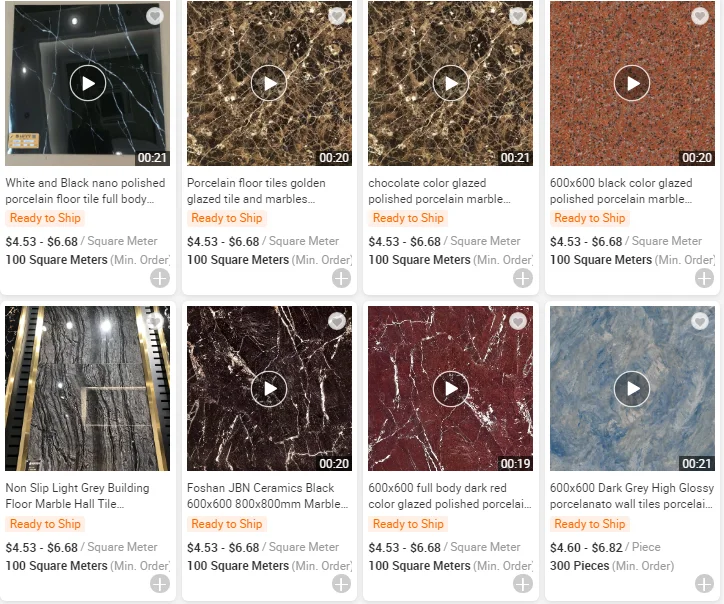
(Minimum Order: 300 Tiles)

(Minimum Order: 300 Tiles): Bulk Purchase Benefits and Tips

Minimum Order: 300 Tiles

When you need tiles, you often need many. This is where our minimum order of 300 tiles comes in handy. Whether you are renovating your home, building a new one, or working on a big project, ordering tiles in bulk has many benefits.

Why 300 Tiles?

Ordering a minimum of 300 tiles is very useful. Here are some reasons why:

  • Cost-Efficient: Buying in bulk often reduces the price per tile.
  • Consistent Quality: You get tiles from the same batch, ensuring uniform quality and color.
  • Availability: Large orders ensure you have enough tiles for your entire project.
  • Convenience: One big order is easier to manage than multiple small orders.

The Ordering Process

Ordering 300 tiles may seem like a big task. But it is simple. Here is how you can do it:

  1. Choose Your Tiles: Decide on the type, color, and size of tiles you need.
  2. Contact Us: Call us at 732-577-1496 to place your order.
  3. Confirm Details: Confirm the quantity, price, and delivery details.
  4. Make Payment: Complete the payment process.
  5. Receive Tiles: Your tiles will be delivered to your location.
(Minimum Order: 300 Tiles): Bulk Purchase Benefits and Tips

Credit: covvin.en.made-in-china.com

Types of Tiles Available

We offer a wide variety of tiles. Here are some popular options:

Type of Tile Description
Ceramic Tiles Durable and easy to clean. Great for bathrooms and kitchens.
Porcelain Tiles Strong and water-resistant. Ideal for high-traffic areas.
Glass Tiles Modern and stylish. Perfect for backsplashes and accent walls.
Marble Tiles Elegant and luxurious. Great for floors and countertops.

Advantages of Bulk Ordering

Bulk ordering has many advantages. Here are some key benefits:

  • Savings: Bulk orders usually come with discounts. You save money.
  • Less Waste: You get the exact quantity you need. This reduces waste.
  • Project Planning: Having all your tiles at once helps in better project planning.
  • Quality Assurance: Bulk orders ensure consistent quality and color matching.

How to Store Tiles

Storing tiles properly is important. Here are some tips:

  • Keep Dry: Store tiles in a dry place to avoid moisture damage.
  • Stack Carefully: Stack tiles flat to prevent breakage.
  • Avoid Heavy Loads: Do not place heavy objects on top of the tiles.
  • Cover Tiles: Cover tiles with a cloth or plastic to protect them from dust.

Contact Us

If you have any questions or need help with your order, contact us. We are here to help you with all your tile needs.

(Minimum Order: 300 Tiles): Bulk Purchase Benefits and Tips

Credit: www.alibaba.com

Frequently Asked Questions

What Is The Minimum Order For Tiles?

The minimum order is 300 tiles.

Can I Order Less Than 300 Tiles?

No, you must order at least 300 tiles.

How Many Tiles Are In One Box?

The number of tiles per box varies.

Are Discounts Available For Large Orders?

Yes, discounts are available for large orders.

Conclusion

Ordering a minimum of 300 tiles is a smart choice. It saves money, ensures quality, and makes your project easier. Follow the simple steps to place your order today. Your project will benefit from the consistency and availability that comes with bulk ordering.

Fiber: 100% Nylon

Fiber: 100% Nylon – The Ultimate Guide to Durability and Style

Fiber: 100% Nylon – An In-depth Guide

What is Nylon?

Nylon is a type of synthetic fiber. It is made from petroleum. Invented in the 1930s, it was the first synthetic fiber. Nylon is known for its strength and durability.

Why Choose 100% Nylon?

Nylon is a very strong material. It does not tear easily. It is also lightweight. This makes it great for many uses.

Uses of 100% Nylon

  • Clothing
  • Carpets
  • Ropes
  • Fishing lines
  • Parachutes

Benefits of 100% Nylon

Nylon has many benefits. It is strong and durable. It is also resistant to water. This makes it perfect for outdoor use.

100% Nylon in Clothing

Nylon is often used in clothing. It is lightweight and stretchy. This makes it comfortable to wear. It is also easy to clean. Nylon dries quickly too.

100% Nylon in Carpets

Nylon is a popular choice for carpets. It is strong and durable. It can withstand heavy foot traffic. Nylon carpets are also stain-resistant.

Fiber: 100% Nylon - The Ultimate Guide to Durability and Style

Credit: www.saludstyle.com

Fiber: 100% Nylon - The Ultimate Guide to Durability and Style

Credit: www.yarnspirations.com

100% Nylon in Ropes and Fishing Lines

Nylon is used to make ropes and fishing lines. It is strong and does not break easily. This makes it perfect for these uses.

100% Nylon in Parachutes

Nylon is also used in parachutes. It is lightweight and strong. This makes it safe for parachutes.

Care Tips for 100% Nylon Products

  • Wash in cold water
  • Use mild detergent
  • Do not use bleach
  • Dry on low heat

Frequently Asked Questions

What Is 100% Nylon Fiber?

100% Nylon fiber is a synthetic material. It’s known for durability and strength.

What Are The Benefits Of Nylon Fiber?

Nylon fiber is strong, durable, and resistant to wear. It is also lightweight.

How Do You Care For Nylon Fabric?

Wash Nylon fabric in cold water. Avoid using bleach. Air dry or tumble dry on low.

Is Nylon Fiber Environmentally Friendly?

Nylon is synthetic and not biodegradable. Recycling Nylon can help reduce environmental impact.

Conclusion

Nylon is a very useful fiber. It is strong, durable, and versatile. Whether in clothing, carpets, or ropes, 100% nylon is a great choice.

Aurora_Fluorescent_Tile

Aurora_Fluorescent_Tile: Transform Your Space with Vibrant Colors

Aurora Fluorescent Tile – Features, Benefits, and Uses

What is Aurora Fluorescent Tile?

Aurora Fluorescent Tile is a special type of tile. It glows in the dark. This tile is great for many places. Homes, schools, and offices can use it.

It is easy to use. It is safe for everyone. Children and adults love it.

Want to learn more? Keep reading.

Aurora_Fluorescent_Tile: Transform Your Space with Vibrant Colors

Credit: valuecarpetinc.com

Aurora_Fluorescent_Tile: Transform Your Space with Vibrant Colors

Credit: www.joycarpets.com

Features of Aurora Fluorescent Tile

This tile has many great features. Here are some important ones:

  • Glows in the dark
  • Easy to install
  • Safe for kids and pets
  • Durable and long-lasting
  • Comes in many colors

Benefits of Using Aurora Fluorescent Tile

Why should you choose Aurora Fluorescent Tile? Here are some benefits:

  • Improves safety
  • Enhances decor
  • Saves energy
  • Easy to clean
  • Affordable

Uses of Aurora Fluorescent Tile

Where can you use these tiles? There are many places:

Place Use
Homes Decorate bedrooms, bathrooms, and kitchens
Schools Brighten classrooms and hallways
Offices Enhance meeting rooms and lobbies
Public Places Improve safety in parks and pathways

How to Install Aurora Fluorescent Tile

Installing these tiles is simple. Follow these steps:

  1. Clean the surface
  2. Measure the area
  3. Cut the tiles to fit
  4. Apply adhesive
  5. Press the tiles into place
  6. Let the adhesive dry

Tips for Maintaining Aurora Fluorescent Tile

To keep your tiles looking good, follow these tips:

  • Clean with a damp cloth
  • Avoid harsh chemicals
  • Check for damage regularly
  • Replace damaged tiles quickly

Frequently Asked Questions

Are The Tiles Safe For Kids?

Yes, the tiles are safe for kids. They do not contain harmful chemicals.

How Long Do The Tiles Glow?

The tiles can glow for many hours. They need light to recharge.

Can I Use The Tiles Outside?

Yes, you can use them outside. They are weather-resistant.

How Do I Cut The Tiles?

Use a sharp knife or tile cutter. Be careful when cutting.

Contact Information

If you have more questions, contact us. Our phone number is 732-577-1496.

Frequently Asked Questions

What Are Aurora Fluorescent Tiles?

Aurora Fluorescent Tiles are tiles that glow in the dark. They add beauty and safety.

How Do Aurora Fluorescent Tiles Work?

These tiles absorb light during the day. They emit a glow at night.

Where Can I Use Aurora Fluorescent Tiles?

You can use them in bathrooms, kitchens, and pools. Also great for pathways.

Are Aurora Fluorescent Tiles Safe?

Yes, they are non-toxic and safe for all areas. Perfect for homes and businesses.

🔍

🔍 Mastering SEO: Top Strategies for Boosting Your Rankings

Understanding the Importance of 🔍 in Daily Life

🔍 is a tool that helps us see small things clearly. It makes small things look bigger. This tool is called a magnifying glass.

What is 🔍?

🔍 is a simple tool. It has a handle and a round glass. The glass is special. It can make small things look bigger. This helps us see tiny details. People use 🔍 for many tasks. It is very useful in our daily life.

History of 🔍

The first 🔍 was made many years ago. It was made by a man named Roger Bacon. He lived a long time ago. He was a scientist. He studied how light works. He found out that glass can bend light. This makes things look bigger. He made the first 🔍 with this idea.

🔍 Mastering SEO: Top Strategies for Boosting Your Rankings

Credit: love2dev.com

Uses of 🔍

🔍 is used in many fields. Here are some common uses:

  • Reading: Some people have trouble reading small text. 🔍 helps them see the text clearly.
  • Science: Scientists use 🔍 to study small things. They can see tiny details. This helps them learn more.
  • Hobbies: Some hobbies need a 🔍. For example, stamp collecting. Stamps have small details. 🔍 helps collectors see these details.
🔍 Mastering SEO: Top Strategies for Boosting Your Rankings

Credit: openmoji.org

Benefits of Using 🔍

🔍 has many benefits. Here are some of them:

  • Better Vision: 🔍 helps people see small things clearly.
  • Easy to Use: 🔍 is simple to use. Anyone can use it.
  • Portable: 🔍 is small. You can carry it anywhere.

How to Choose a 🔍

Choosing a 🔍 is easy. Here are some tips:

  • Size: Choose a size that fits your needs. Small 🔍 is easy to carry. Big 🔍 shows more details.
  • Magnification: This tells how much bigger things will look. Choose the right magnification for your task.
  • Quality: Good quality glass shows clear images. Cheap glass may not be clear.

Different Types of 🔍

There are different types of 🔍. Each type has its own use. Here are some common types:

Type Use
Handheld 🔍 This is the most common type. It is used for reading and simple tasks.
Stand 🔍 This type has a stand. It is used for tasks that need both hands free.
Lighted 🔍 This 🔍 has a built-in light. It helps see things in low light.

Care and Maintenance of 🔍

Taking care of your 🔍 is important. Here are some tips:

  • Keep it Clean: Clean the glass regularly. Use a soft cloth.
  • Store Properly: Keep it in a safe place. Avoid scratches on the glass.
  • Handle with Care: Do not drop it. It can break easily.

Frequently Asked Questions

What Is Seo?

SEO stands for Search Engine Optimization. It’s the process of improving a website’s visibility on search engines.

Why Is Seo Important?

SEO helps increase website traffic. This leads to higher visibility and potential customer reach.

How Does Seo Work?

SEO works by optimizing content. This includes keywords, backlinks, and technical SEO.

What Are Keywords In Seo?

Keywords are words or phrases. People use them to search for information online.

Conclusion

🔍 is a very useful tool. It helps us see small things clearly. It is used in many fields. It is easy to use and carry. Choosing the right 🔍 is important. Take care of your 🔍 to keep it working well. Enjoy using your 🔍 to see the tiny details in the world around you.

If you have any questions, please call us at 732-577-1496. We are happy to help you.

How to Incorporate STEM Learning in a Children Learning Center

How to Incorporate STEM Learning in a Children Learning Center

In today’s rapidly evolving world, the focus on STEM (Science, Technology, Engineering, and Mathematics) education is more crucial than ever. As educators, caregivers, and administrators running children’s learning centers, it is essential to incorporate STEM learning to prepare young minds for future challenges and opportunities. This blog post will provide detailed strategies and actionable tips on how to effectively incorporate STEM learning in a children’s learning center.

Understanding the Importance of STEM Education

STEM education is more than just a buzzword; it’s a critical component of a child’s development. According to the U.S. Department of Education, STEM occupations are growing at 17%, while other occupations are growing at 9.8%. This statistic highlights the increasing demand for STEM skills in the job market. By introducing STEM concepts early, we not only foster critical thinking and problem-solving skills but also inspire innovation and creativity in young learners.

Benefits of STEM Learning in Early Childhood

Incorporating STEM learning in early childhood education provides several benefits. It encourages curiosity, strengthens problem-solving abilities, and promotes a growth mindset. Research from the National Science Foundation indicates that children who engage in STEM activities from a young age are more likely to pursue STEM careers, contributing to a more skilled workforce in the future.

Creating a STEM-Friendly Environment

Creating a conducive environment for STEM learning is the cornerstone of a successful program. Here are some steps to enhance your learning center:

Designing Engaging Spaces

Transform your learning center into a haven for exploration. Designate specific areas for science experiments, tech gadgets, engineering projects, and mathematical puzzles. Use colorful, interactive displays and incorporate nature elements to stimulate a love for learning.

Utilizing Technology

Technology is a vital tool in STEM education. Equip your center with tablets, computers, and smartboards to facilitate interactive learning. Introduce educational apps that teach coding, robotics, and scientific concepts through games and simulations. According to the Pew Research Center, 73% of teens use smartphones, which underscores the importance of integrating technology into learning.

Incorporating Hands-On Activities

Hands-on activities are central to STEM learning, allowing children to apply theoretical knowledge in practical scenarios. Here are some ideas to get started:

Science Experiments

Simple science experiments can spark a child’s interest in scientific inquiry. Activities like creating a volcano with baking soda and vinegar or growing crystals can help children understand chemical reactions and crystallization.

Engineering Challenges

Encourage creativity and critical thinking by posing engineering challenges. This could be as simple as building a bridge out of straws that can hold a certain weight or designing a paper airplane that can fly the farthest distance.

Mathematics Games

Transform math into a fun and engaging subject through games. Use puzzles, counting games, and interactive math apps to teach concepts like addition, subtraction, and geometry.

Integrating STEM into Daily Curriculum

Integrating STEM into the daily curriculum ensures consistent exposure and reinforcement of concepts. Here are some strategies to integrate STEM effectively:

Interdisciplinary Approach

An interdisciplinary approach connects STEM subjects with real-world applications. For example, a project on weather patterns can integrate science, math, and technology by using data collection, analysis, and reporting through digital presentations.

Thematic Units

Create thematic units that revolve around a central STEM concept. An example could be an “Under the Sea” theme, where children learn about marine biology, construct model boats, and calculate distances traveled.

Professional Development for Educators

Empower educators with the necessary skills and knowledge to teach STEM effectively. Organize workshops and training sessions that focus on the latest STEM teaching methods and technologies. According to a study by the National Academies of Sciences, Engineering, and Medicine, teachers who receive ongoing professional development are more likely to effectively implement STEM curricula.

Engaging Parents and Community

Engaging parents and the community can amplify the impact of STEM learning. Here’s how:

Parent Workshops

Conduct workshops to educate parents about the importance of STEM education and provide them with resources to support their child’s learning at home. Encourage parents to participate in STEM-related activities and projects.

Community Partnerships

Partner with local businesses, universities, and organizations to provide resources, expertise, and real-world experiences. Collaborations can include guest speakers, field trips, and internship opportunities for older students.

Measuring Success and Adapting Strategies

Regular assessment and adaptation of your STEM program are essential to its success. Here’s how to evaluate and refine your efforts:

Feedback and Assessment

Collect feedback from students, parents, and educators to gauge the effectiveness of your STEM initiatives. Use assessments to measure students’ progress and adjust your strategies accordingly.

Iterative Improvements

Continuously refine your program based on feedback and new developments in STEM education. Stay updated on the latest trends and technologies to keep your curriculum relevant and engaging.

Conclusion

Incorporating STEM learning in a children’s learning center is an investment in the future. By creating an engaging environment, integrating hands-on activities, and fostering a supportive community, we can inspire young learners to explore and excel in STEM fields. As the demand for STEM skills continues to rise, equipping children with these competencies will ensure they are well-prepared for the challenges and opportunities that lie ahead.

Implementing these strategies not only benefits the individual learners but also contributes to a more innovative and skilled society. Start today, and watch as your learning center becomes a beacon of inspiration and discovery for young minds.

you can check out a wide variety of style

Pre-K vs. Kindergarten: What’s the Difference?

Pre-K vs. Kindergarten: What’s the Difference?

As parents and guardians prepare their young children for the first steps in their educational journey, a common question often arises: what is the difference between Pre-K and Kindergarten? Understanding these foundational stages is crucial for making informed decisions that best support the developmental needs of your child. This guide aims to shed light on the distinctions and similarities between Pre-Kindergarten (Pre-K) and Kindergarten, providing a comprehensive overview that is both informative and actionable.

Understanding Pre-Kindergarten

Pre-Kindergarten, also known as Pre-K, is an early childhood education program designed for children who are typically four years old. It serves as an introduction to the school environment and focuses on developing basic social, emotional, and cognitive skills. Pre-K programs are often characterized by their play-based learning approach, which is supported by research highlighting the importance of play in early development.

The Purpose of Pre-Kindergarten

The primary goal of Pre-K is to prepare children for Kindergarten by fostering a love for learning and helping them develop essential skills. According to the National Institute for Early Education Research (NIEER), children who attend high-quality Pre-K programs tend to have better language, literacy, and math skills when they enter Kindergarten.

Curriculum and Activities in Pre-K

Pre-K curricula are typically designed to be interactive and engaging, focusing on activities that promote socialization, creativity, and critical thinking. Common activities in Pre-K include:

  • Storytime and literacy games
  • Arts and crafts
  • Outdoor play and physical activities
  • Basic math and problem-solving games

These activities are structured to nurture each child’s individual learning style and pace, ensuring a positive and enriching experience.

Exploring Kindergarten

Kindergarten is the first formal year of schooling for children, usually starting at age five. It marks the transition from a play-focused environment to a more structured academic setting. Kindergarten is often mandatory in most regions, serving as the foundation for a child’s educational journey.

The Role of Kindergarten in Child Development

Kindergarten plays a critical role in a child’s development by introducing them to formal education. According to the U.S. Department of Education, Kindergarten helps children develop essential skills in literacy, mathematics, and social interaction, which are vital for their success in subsequent grades.

Kindergarten Curriculum and Learning Approach

The Kindergarten curriculum is more structured compared to Pre-K, with a focus on academic readiness and the development of foundational skills. Typical subjects and activities include:

  • Reading and writing exercises
  • Introduction to basic math concepts
  • Science and exploration
  • Social studies and cultural awareness

While academics take center stage, play and social interaction remain integral parts of the Kindergarten experience, supporting a well-rounded approach to learning.

Key Differences Between Pre-K and Kindergarten

While both Pre-K and Kindergarten aim to support early childhood development, several key differences set them apart:

Age and Developmental Stage

One of the most apparent differences is the age and developmental stage of the children. Pre-K typically serves four-year-olds, focusing on early socialization and basic cognitive skills. Kindergarten, on the other hand, caters to five-year-olds and emphasizes formal education and academic readiness.

Curricular Focus

The curricular focus also varies significantly. Pre-K programs emphasize play-based learning and social-emotional development, while Kindergarten introduces structured academics alongside social skills.

Classroom Environment and Structure

Pre-K classrooms are often more flexible, with a variety of learning centers and activities that encourage exploration. Kindergarten classrooms, however, are more structured, with designated times for different subjects and activities.

Choosing the Right Program for Your Child

Deciding between Pre-K and Kindergarten involves considering your child’s unique needs and readiness. Here are some actionable tips to help you make an informed decision:

Assess Your Child’s Readiness

Consider your child’s social, emotional, and cognitive development. Are they ready for a more structured environment, or would they benefit from additional play-based learning?

Research Local Programs

Investigate the Pre-K and Kindergarten options available in your area. Visit schools, speak with teachers, and review curriculums to find the best fit for your child.

Consider Long-term Educational Goals

Think about your long-term educational goals for your child. A strong foundation in Pre-K and Kindergarten can set the stage for future academic success.

Conclusion

Understanding the differences between Pre-K and Kindergarten is essential for making informed decisions about your child’s early education. While both programs offer unique benefits, the choice ultimately depends on your child’s individual needs and readiness. By considering factors such as developmental stage, curricular focus, and classroom environment, you can choose the right path that supports your child’s growth and prepares them for a successful educational journey.

Investing time in researching and selecting the appropriate early education program can have a lasting impact on your child’s academic and personal development, setting them up for success in their future endeavors.

you can check out a wide variety of style

The Importance of PTA Groups in Schools

The Importance of PTA Groups in Schools

In today’s educational landscape, collaboration between parents and schools is more crucial than ever. Parent-Teacher Associations (PTAs) serve as a vital bridge, fostering communication and involvement that can significantly enhance the learning environment for students. This blog post will delve into the importance of PTA groups in schools, their impact, and how you can become an active participant in your child’s educational journey.

What are PTA Groups?

PTA groups are grassroots organizations operated by parents and teachers who strive to support schools through fundraising, volunteering, and advocacy. According to the National PTA, there are over 22,000 PTA units across the United States, representing millions of families and teachers. These groups play an essential role in promoting the welfare of children and youth in schools and the community.

The Structure of PTAs

Typically, a PTA comprises a board of directors, including roles such as president, vice-president, secretary, and treasurer. Meetings are held regularly to discuss goals, plan events, and address concerns related to the school community. PTA groups are often part of larger state and national organizations, providing them with resources and a collective voice.

The Benefits of PTA Involvement

Engagement in PTA activities can yield numerous benefits for students, parents, and schools alike. Here are some key advantages:

Enhanced Student Performance

Research indicates that parental involvement through organizations like PTAs is linked to higher student achievement. According to a study by the National Education Association, students with involved parents are more likely to earn higher grades and test scores, enroll in higher-level programs, attend school regularly, and have better social skills.

Improved School Environment

PTAs contribute to a positive school environment by organizing events, enhancing communication, and supporting school initiatives. This involvement fosters a sense of community, making schools a more welcoming and supportive place for students and staff alike.

Empowerment and Advocacy

PTAs equip parents with the knowledge and tools to advocate for their children’s education. Through workshops, meetings, and informational sessions, PTAs help parents understand educational policies and issues, enabling them to be effective advocates for change.

How to Get Involved with Your School’s PTA

If you’re interested in contributing to your child’s school community through the PTA, here are some actionable tips to get started:

Attend Meetings

Start by attending PTA meetings to understand the group’s dynamics and current initiatives. This is a great opportunity to meet other parents and teachers and learn how you can contribute.

Volunteer Your Time and Skills

Whether you have a few hours a month or can contribute more regularly, PTAs often need volunteers for events, fundraising efforts, and organizational tasks. Consider your skills and interests when offering your time.

Participate in Fundraising

Fundraising is a significant aspect of PTA work, helping to finance school programs, field trips, and resources. Support these efforts by participating in events, donating, or helping to organize fundraising activities.

Join a Committee

Many PTAs have specialized committees focused on different aspects of school support, such as health and wellness, education, or community outreach. Joining a committee can align your involvement with your passions and expertise.

Overcoming Challenges in PTA Engagement

While the benefits of PTA involvement are clear, there can be challenges that deter participation. Here are some common obstacles and suggestions for overcoming them:

Lack of Time

Busy schedules can make it difficult for parents to commit to PTA activities. To address this, PTAs can offer flexible meeting times and opportunities for virtual participation, ensuring that more parents can get involved.

Feeling Unwelcome or Uninformed

Some parents may feel intimidated or unsure about joining a PTA. Schools and PTAs can combat this by actively reaching out to new families, providing clear information about the PTA’s role, and ensuring a welcoming atmosphere at meetings and events.

Success Stories: PTA Impact in Action

Across the country, PTAs have made significant contributions to schools. Here are a few inspiring examples:

Case Study: Enrichment Programs

At Lincoln Elementary School in Springfield, the PTA successfully raised funds to implement after-school enrichment programs, including robotics, art, and music. This initiative not only enhanced students’ learning experiences but also improved attendance and engagement levels.

Case Study: Health and Wellness Initiatives

In a bid to promote healthier lifestyles, the PTA at Jefferson Middle School launched a wellness campaign, introducing healthier lunch options and organizing fitness events. The initiative led to a 30% increase in student participation in physical activities.

Conclusion: The Lasting Impact of PTAs

PTA groups in schools are indispensable in creating a collaborative and supportive educational environment. By bridging the gap between parents and educators, PTAs enhance student achievement, improve school environments, and empower parents to advocate for their children’s education. Participating in your school’s PTA can be a rewarding experience, offering a chance to make a meaningful impact on your child’s educational journey.

Whether you’re a parent looking to get involved or an educator seeking to strengthen community ties, PTAs provide a platform for collaboration, innovation, and growth. As we look to the future, the role of PTAs will continue to evolve, adapting to meet the changing needs of schools and communities across the globe.

you can check out a wide variety of style

Kindergarten Curriculum: What to Expect

Kindergarten Curriculum: What to Expect

As parents and guardians prepare their little ones for the exciting journey of kindergarten, understanding what the curriculum entails can be both reassuring and essential. Kindergarten represents a crucial transition from early childhood education to formal schooling. It sets the foundation for lifelong learning and development. In this comprehensive guide, we will explore the key elements of a typical kindergarten curriculum, what to expect, and how you can support your child’s learning journey.

Understanding the Kindergarten Curriculum

The kindergarten curriculum is designed to foster a range of skills, including social, emotional, cognitive, and physical development. It is carefully structured to accommodate the diverse needs and abilities of young children, ensuring a well-rounded educational experience. The curriculum may vary by state or country, but certain core elements remain consistent across most educational systems.

Language and Literacy

One of the primary goals of kindergarten is to develop language and literacy skills. Children are introduced to the alphabet, phonics, and basic reading skills. According to the National Center for Education Statistics, approximately 65% of kindergarteners are expected to master fundamental reading skills by the end of the year.

Here are some key components of the language and literacy curriculum:

  • Alphabet Recognition: Children learn to identify and name all letters, both uppercase and lowercase.
  • Phonemic Awareness: Understanding the sounds that letters make is a crucial step in learning to read.
  • Basic Sight Words: Recognizing common words by sight helps build reading fluency.
  • Storytelling and Comprehension: Listening to stories and discussing them to improve understanding and critical thinking.

Mathematical Concepts

Kindergarten introduces children to essential mathematical concepts through playful and engaging activities. A survey by the National Association for the Education of Young Children (NAEYC) highlights that 70% of kindergarten curricula emphasize foundational math skills.

Key areas of focus include:

  • Number Recognition: Identifying and writing numbers from 0 to 20.
  • Counting and Cardinality: Understanding the relationship between numbers and quantities.
  • Basic Addition and Subtraction: Using objects or drawings to solve simple problems.
  • Patterns and Sorting: Recognizing and creating patterns, and grouping objects by attributes.

Science and Exploration

In kindergarten, science education focuses on observation, exploration, and discovery. This encourages children to develop curiosity about the world around them. The National Science Teachers Association (NSTA) recommends incorporating hands-on activities to stimulate interest in science.

Key components of the science curriculum include:

  • Nature and Environment: Understanding weather patterns, plants, and animals.
  • Physical Properties: Exploring the properties of different materials through simple experiments.
  • Life Cycles: Learning about the stages of growth in plants and animals.
  • Scientific Inquiry: Encouraging questions and experiments to find answers.

Social Studies

Social studies in kindergarten help children understand their place in the community and the world. According to the National Council for the Social Studies (NCSS), early education in social studies promotes cultural awareness and social responsibility.

Core topics include:

  • Community Helpers: Learning about different roles in the community, such as firefighters and teachers.
  • Family and Traditions: Sharing personal stories and traditions to understand diversity.
  • Maps and Geography: Basic understanding of maps and the concept of location.
  • Basic Economics: Introducing simple concepts like wants vs. needs.

Art, Music, and Physical Education

Creative expression is an integral part of the kindergarten curriculum, contributing to emotional and physical development. The Arts Education Partnership emphasizes that art and music education enhance cognitive skills and improve academic performance.

Key activities include:

  • Art Projects: Using various materials to create and express ideas.
  • Music and Movement: Singing, dancing, and playing instruments to develop rhythm and coordination.
  • Physical Education: Engaging in activities that promote motor skills and healthy habits.

Supporting Your Child’s Learning Journey

As a parent or guardian, there are several ways you can support your child’s kindergarten experience. Here are some actionable tips to enhance their learning journey:

  • Read Together: Establish a daily reading routine to foster a love for books and improve language skills.
  • Play Educational Games: Use educational apps and games to make learning fun and interactive.
  • Encourage Curiosity: Answer questions and explore topics your child is interested in to nurture their curiosity.
  • Practice Social Skills: Arrange playdates and encourage sharing and cooperation with peers.
  • Stay Involved: Participate in school activities and maintain open communication with teachers.

Conclusion

Kindergarten is a pivotal stage in a child’s educational journey, laying the groundwork for future academic success. By understanding the kindergarten curriculum and actively supporting your child’s learning, you can help them thrive in this exciting new phase. Remember, every child learns at their own pace, so celebrate their progress and enjoy the journey together. With the right guidance and encouragement, your child will develop the skills and confidence needed to excel in school and beyond.

you can check out a wide variety of style